A Whole-Body Approach to Wellness
FYZICAL is one of America's fastest growing physical therapy franchises, leading the conversation on balance, falls, and preventative healthcare. Operating in the Las Vegas valley since August 2013, our network has grown to five clinics across the valley — Buffalo, Cheyenne, Dean Martin, Jones, and Pecos — each focused on quality outcomes for patients.
Treatment spans balance and vestibular rehab, orthopedic and sports recovery, audiology, chronic pain management, and specialty programs like Fascial Stretch Therapy, Pilates, and The Miracle Wave™. A complimentary FYZICAL First program offers direct access to care without a physician referral.
Patient care hours run Monday through Friday, 6am to 6pm, though hours may vary by location. See our Locations page for addresses, or visit Services for the full list of programs.

Updates from FYZICAL
FREE Seminar on Hearing Health
A community seminar on hearing health ran from 6:00 PM to 7:15 PM, part of FYZICAL's ongoing free community events. See the Events page for details.
First Open House – Dean Martin Facility
FYZICAL held its first open house at the Dean Martin location on Thursday, February 15, 2018, introducing the community to the clinic. Additional history is on Events.
Find a Location
Each of our five Las Vegas Valley clinics offers a path to physical therapy and balance care close to home.
| Clinic | Address | Extension |
|---|---|---|
| Buffalo | 401 N. Buffalo Dr. #120, Las Vegas, NV 89145 | 4000 |
| Cheyenne | 9070 W. Cheyenne Ave. #100, Las Vegas, NV 89129 | 1000 |
| Dean Martin | 7770 Dean Martin Dr. #307, Las Vegas, NV 89139 | 3000 |
| Jones | 3820 S. Jones Blvd., Las Vegas, NV 89103 | 2000 |
| Pecos | 9005 S. Pecos Rd. #2520, Henderson, NV 89074 | 9005 |
Call our centralized referral line at (702) 818-5000, Option 1, to reach a referral specialist who can help with insurance questions and scheduling at any of these locations. See the full directory on Locations or reach out via Contact.
Physical therapy has evolved well beyond the exercise mats and heat packs of decades past. Today, a whole-body approach to wellness recognizes that pain in one area often traces back to imbalances elsewhere in the body. At a modern rehabilitation clinic, clinicians look at the full picture: how you stand, how you move, how your senses contribute to stability, and how your daily habits either support or undermine recovery. This broader perspective helps patients understand their limitations rather than simply endure them, and it turns a short-term visit into lasting improvements in strength, confidence, and quality of life.
Balance is one of the most underappreciated pillars of physical health. From the moment you step out of bed to the instant you catch yourself on a crowded sidewalk, your body is constantly integrating input from your inner ears, your eyes, and the sensors in your joints and muscles. When any piece of that system falters, the result can be unsteadiness, hesitation, or fear of falling. Targeted balance assessment and training help identify the weak link and rebuild it through progressive, measurable exercises suited to each individual.
Vestibular rehabilitation addresses dizziness, vertigo, and spatial disorientation that can follow inner ear disorders, head injuries, or certain medical treatments. Many patients describe a sense of the world tilting or spinning, difficulty focusing while moving, or overwhelming unease in busy visual environments such as grocery stores. Specialized therapy retrains the brain to interpret balance signals more accurately through gradual exposure and habituation exercises. With consistent guidance, people who once limited their activities often regain the freedom to travel, work, and simply enjoy a day out.
Falls are among the most preventable causes of serious injury, yet they remain a leading concern for older adults and their families. A preventative approach goes further than general advice about caution at home. Clinicians evaluate gait, lower-body strength, reaction time, and even medication-related side effects that might cloud balance. From there, a personalized program addresses the specific deficits discovered during screening. The goal is straightforward: keep people moving confidently so that a momentary stumble never becomes a life-altering event.
Sports orthopedic physical therapy helps athletes of all levels recover from injury and return to the activities they love. Whether the setback is a strained muscle, a post-surgical joint, or a persistent overuse complaint, rehabilitation focuses on restoring movement, strength, and confidence in a graded sequence. Rather than simply waiting for pain to fade, clinicians use functional testing to guide progression, ensuring the body is truly ready for the demands of sport. This thoughtful sequencing reduces the chance of re-injury and shortens the road back to play.
Sports retraining extends traditional rehabilitation by emphasizing movement quality, agility, and neuromuscular control. Once an injury has healed, the next challenge is re-establishing the coordination and quickness that competitive activity demands. Programs may include change-of-direction drills, plyometrics, and sport-specific simulations that rebuild trust in the recovering area. For weekend athletes and former competitors alike, this stage of the process can be the most rewarding, transforming cautious recovery into explosive, confident movement and a renewed appreciation for what the body can do.
Concussion management requires a careful, individualized path because no two head injuries look exactly alike. Early guidance on relative rest, sleep, and a gradual return to activity helps the brain heal without unnecessary setbacks. As symptoms ease, clinicians monitor how exercise, vision, and balance respond before advancing to more demanding tasks. This structured progression protects patients from returning to school, work, or sport too quickly while also preventing the deconditioning that can come from prolonged inactivity. Education remains central, empowering patients and families to recognize warning signs and participate actively in recovery.
Chronic pain affects far more than the body; it can reshape sleep, mood, and daily routines. Effective management begins with a thorough clinical assessment that considers movement patterns, tissue health, and the nervous system's role in sustaining discomfort. Rather than promising a single quick fix, rehabilitation teams combine hands-on care, therapeutic exercise, and patient education to rebuild function gradually. Learning how pain works often reduces its grip, and small, consistent wins in mobility and strength help patients reclaim activities they had quietly given up.
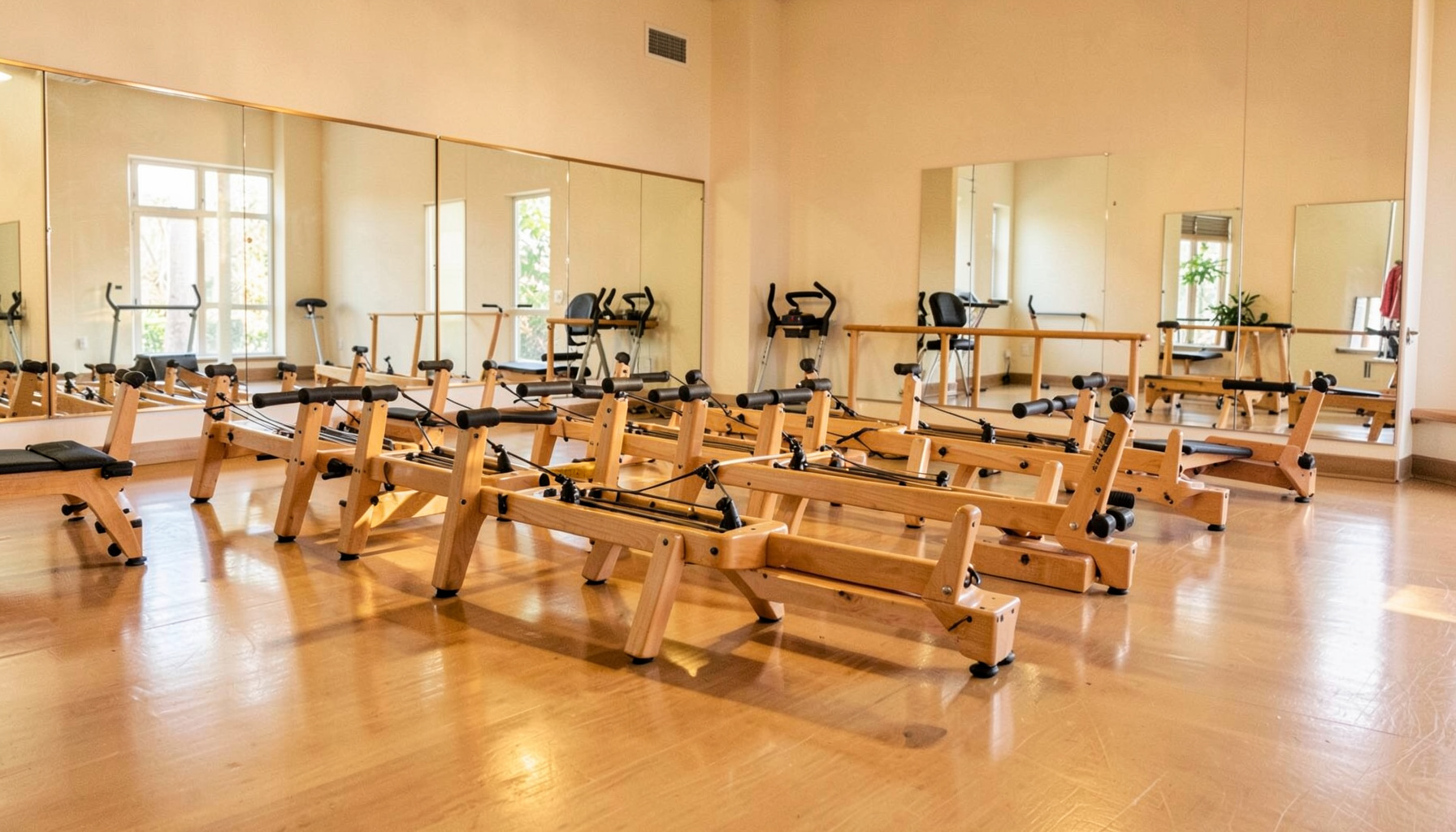
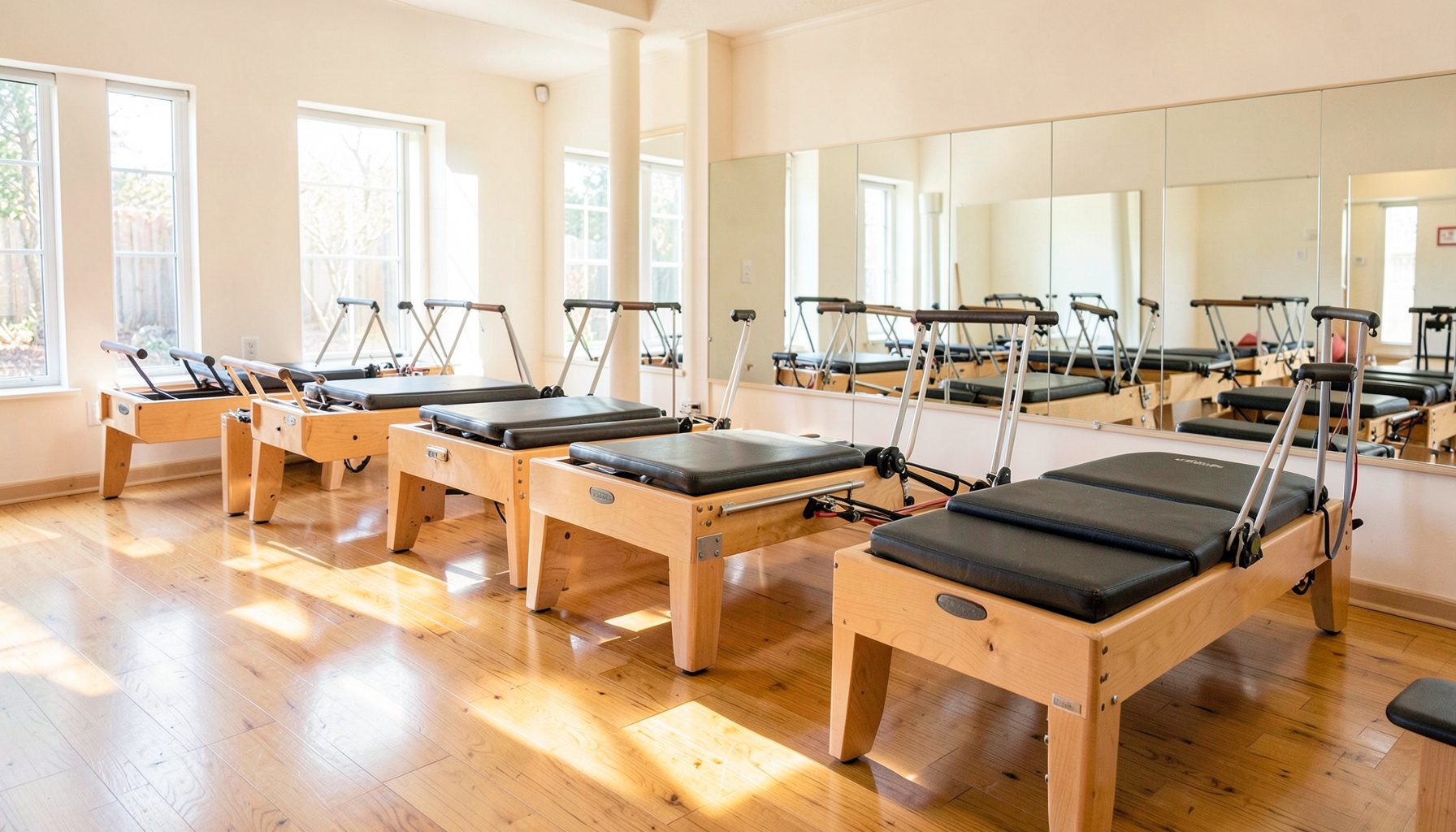
Specialty programs round out a comprehensive approach to movement and recovery. Manual techniques that target the body's connective tissue can improve flexibility and ease tension that ordinary stretching misses. Pilates-based instruction builds core stability, posture, and body awareness in a low-impact setting suitable for many fitness levels. Aquatic therapy uses the supportive environment of warm water to allow movement when weight-bearing exercise is difficult. Together, these options let clinicians match the method to the patient, keeping rehabilitation engaging and effective.
Technology has expanded what physical therapy can offer, including devices that deliver focused acoustic energy to stubborn soft-tissue complaints and digital tools that track progress between visits. Yet the heart of good rehabilitation remains human: a skilled clinician who listens, explains, and adapts the plan as the body responds. Patients do best when they understand what to expect and feel like partners in their own care. Asking questions, attending sessions consistently, and following home guidance can meaningfully influence outcomes.